
Неправильный выбор термоусадочная трубка Это одна из самых распространенных и дорогостоящих ошибок при сборке жгутов проводов. Слишком большой размер – и трубка не будет плотно обхватывать кабель. Неправильный материал – и она выйдет из строя при рабочей температуре. Недостаточная адгезия в местах, где требуется герметизация, приводит к коррозии разъема влагой в течение нескольких месяцев.
Как выбрать термоусадочную трубку? Это руководство содержит четкий пошаговый процесс выбора правильной термоусадочной трубки для любого применения — от обычной изоляции проводов до жгутов проводов военного образца аэрокосмического класса.
Шаг 1 — Определите требуемый коэффициент усадки
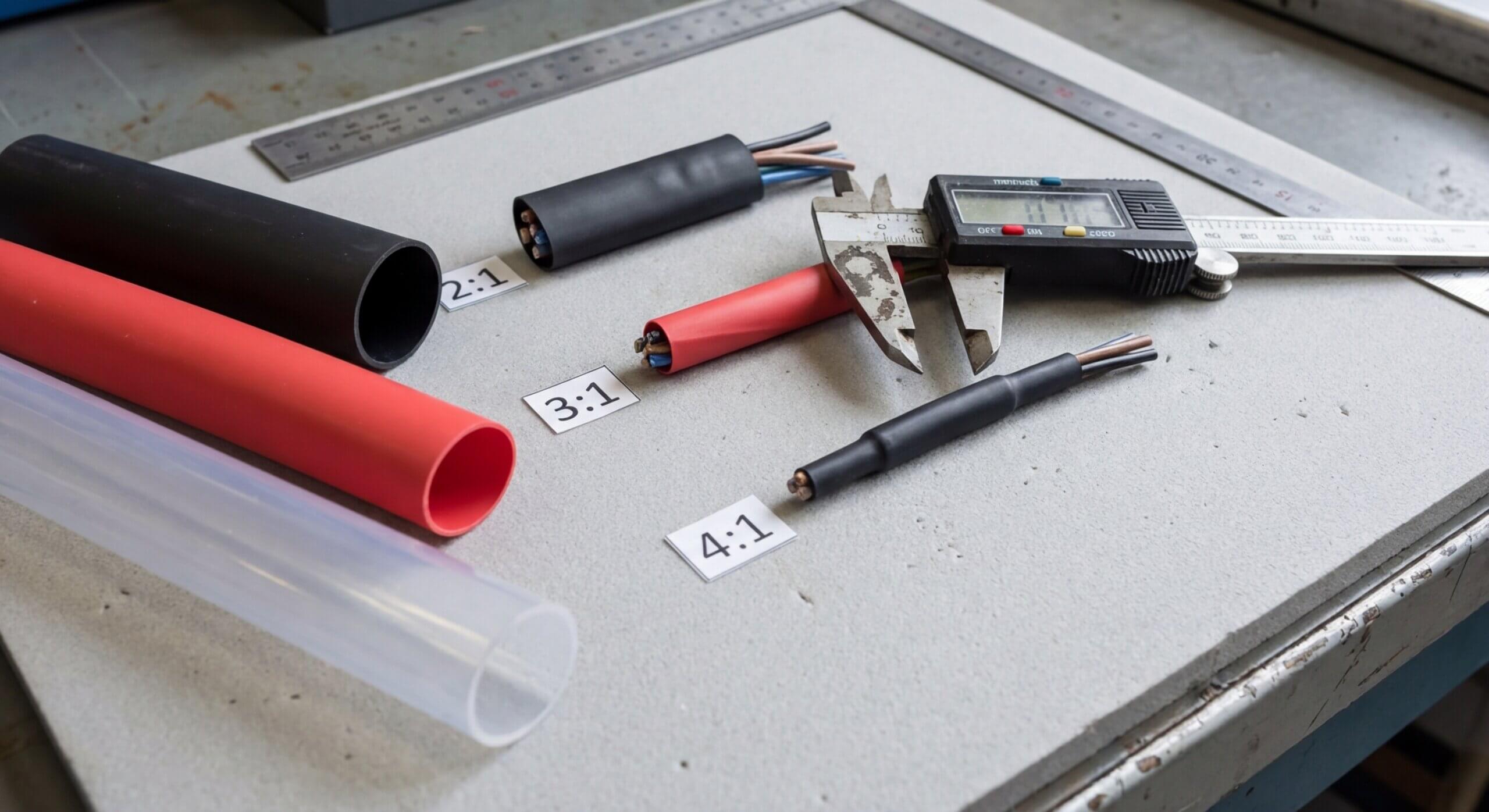
Коэффициент усадки — это отношение внутреннего диаметра трубки в исходном (расширенном) состоянии к ее внутреннему диаметру в восстановленном (усаженном) состоянии.
Коэффициент усадки | Поставлено → Восстановлено | Лучше всего подходит для |
2:1 | 20 мм → 10 мм | Стандартная изоляция проводов/кабелей, для большинства распространенных применений. |
3:1 | 30 мм → 10 мм | Широкий диапазон диаметров, неправильная форма, двухслойный клей. |
4:1 | 40 мм → 10 мм | Соединители, переходы между пакетами, требуется очень широкое покрытие. |
6:1 | 60 мм → 10 мм | Крупногабаритные уплотнители для кабельных вводов, переходники труб к кабелям. |
Как рассчитать правильный размер
- Измерьте оптическую плотность субстрата. (внешний диаметр провода, кабеля или пучка проводов, которые вы покрываете)
- Выберите трубку, в которой:
- Внутренний диаметр изделия ≥ 1,1 × внешний диаметр подложки (чтобы его можно было легко надеть).
- Восстановленный внутренний диаметр ≤ 0,9 × внешний диаметр подложки (что обеспечивает прочное сцепление после усадки).
Пример: Внешний диаметр кабеля = 8 мм. Вам потребуется трубка с коэффициентом трансформации 2:1, с внутренним диаметром не менее 9 мм (= 8 × 1,1) и восстановленным внутренним диаметром ≤ 7,2 мм (= 8 × 0,9). Идеально подойдет трубка с внутренним диаметром 12 мм и восстановленным внутренним диаметром 6 мм.
Шаг 2 — Выберите подходящий материал
Выбор материала — это наиболее важное с технической точки зрения решение. Неправильно подобранный материал выйдет из строя в процессе эксплуатации, независимо от того, насколько точно подобран размер трубы.
Полиолефины — стандартный выбор
- Рабочая температура: от -55°C до +135°C
- Использовать, когда: Электропроводка общего назначения, интерьеры автомобилей, промышленное управление, условия эксплуатации при низких и средних температурах.
- Согласие: UL 224, RoHS/REACH
- Почему стоит выбрать именно его: Самая низкая стоимость, самая широкая доступность, хорошая теплоизоляция и огнестойкость.
ПВДФ (Кинар) — выбор для аэрокосмической и военной отраслей.
- Рабочая температура: от -55°C до +175°C
- Использовать, когда: Электропроводка для аэрокосмической отрасли, военная проводка, защита топливо- или гидравлических магистралей, автоспорт
- Согласие: MIL-DTL-23053/16, AMS-DTL-23053
- Почему стоит выбрать именно его: Высокая термостойкость, химическая стойкость к топливу/маслам/гидравлическим жидкостям, низкий уровень дымообразования.
ПТФЭ — выбор для экстремальных условий.
- Рабочая температура: от -65°C до +260°C
- Использовать, когда: Электропроводка моторного отсека, подверженная воздействию экстремальных температур, оборудование для химической обработки, лабораторные приборы.
- Согласие: МИЛ-ДТЛ-23053/12
- Почему стоит выбрать именно его: Максимальная термостойкость, практически универсальная химическая совместимость.
Эластомер — выбор для обеспечения гибкости.
- Рабочая температура: от -75°C до +150°C
- Использовать, когда: Роботизированные шарниры, тросы для автоспорта с возможностью перемещения, портативное военное оборудование, криогенные линии.
- Почему стоит выбрать именно его: Сохраняет эластичность и упругость после усадки — не трескается при сгибании или вибрации.
Двустенная самоклеящаяся облицовка — лучший выбор для герметизации.
- Рабочая температура: от -55°C до +110°C (на основе полиолефинов) или +175°C (на основе ПВДФ)
- Использовать, когда: Морская техника, наружная техника, автомобильное днище, любые установки, подверженные воздействию влаги или требующие герметизации по стандарту IP67/68.
- Почему стоит выбрать именно его: Клей растекается во время усадки и герметизирует все зазоры, защищая от влаги, пыли и загрязнений.
Шаг 3 — Подтверждение диаметра (поставка и извлечение)
Каждый уважающий себя производитель публикует таблицу размеров, в которой указаны:
- Предоставленный (расширенный) идентификатор — диаметр до усадки
- Восстановленный ID — диаметр после полного сжатия
- Толщина стенки, указанная в заказе
- Восстановленная толщина стенки
Типичные диапазоны размеров
Предоставленный идентификатор | Восстановленный ID (2:1) | Типичный диапазон длины кабеля |
3,2 мм | 1,6 мм | 1,5–2,8 мм внешний диаметр |
6,4 мм | 3,2 мм | 3,0–5,5 мм наружный диаметр |
12,7 мм | 6,4 мм | 6,0–11 мм наружный диаметр |
25,4 мм | 12,7 мм | наружный диаметр 12–22 мм |
50,8 мм | 25,4 мм | наружный диаметр 24–44 мм |
Всегда сверяйтесь с фактическими техническими характеристиками, указанными производителем, — заявленные размеры могут различаться в зависимости от марки и серии продукции.
Шаг 4 — Проверьте требования к толщине стенки
Толщина стенки влияет на уровень механической защиты и минимальный радиус изгиба установленного узла.
- Тонкая стенка (восстановленная толщина 0,3–0,5 мм): Легкая идентификация проводов, цветовая кодировка, базовая изоляция там, где механическая защита не требуется.
- Стандартная толщина стенки (0,6–1,0 мм): Большинство распространенных применений жгутов проводов
- Толстостенный материал (12–2,0 мм восстановленный): Кабельные соединения, высоковольтные клеммы, зоны с риском истирания, ремонт кабелей.
- Двустенные с клеевым слоем: По сути, добавляет слой клея толщиной 0,5–1,5 мм в дополнение к наружной стене.
Шаг 5 — Проверка соответствия техническим требованиям и спецификациям.
Для регулируемых отраслей продукция должна соответствовать определенным стандартам. Всегда уточняйте требуемые технические характеристики. перед покупкой.
Спецификация | Материал | Приложение |
UL 224 | Полиолефин, двухслойный | Электромонтажные работы общего назначения в коммерческих и промышленных целях (Северная Америка) |
МИЛ-ДТЛ-23053/16 | ПВДФ | Военные и аэрокосмические жгуты проводов |
МИЛ-ДТЛ-23053/12 | ПТФЭ | Военная проводка для работы в экстремальных температурах |
AMS-DTL-23053 | ПВДФ | Требования к генеральному подрядчику в аэрокосмической отрасли |
МЕК 60684 | Несколько | Международный/европейский рынок |
RoHS / REACH | Все бессвинцовые марки | требования рынка Европейского Союза |
Краткий справочный контрольный список для выбора
Как выбрать термоусадочную трубку? Вам понадобится контрольный список для выбора.
☐ 1. Какова оптическая плотность субстрата?
Внешний диаметр субстрата: _____ мм
→ Рассчитать: Внутренний диаметр ≥ 1,1 × Внешний диаметр; Восстановленный внутренний диаметр ≤ 0,9 × Внешний диаметр
☐ 2. Какова рабочая температура?
Максимальная непрерывная температура: _____ °C
→ Полиолефин (≤135°C) / ПВДФ (≤175°C) / ПТФЭ (≤260°C)
☐ 3. Имеются ли случаи воздействия химических веществ?
Топливо / масло / гидравлическая жидкость / кислота / растворитель: да / нет
→ Полиолефин: отсутствие воздействия химических веществ
→ ПВДФ или ПТФЭ: топливная/масляная/химическая среда
☐ 4. Требуется ли герметизация от влаги?
→ Двустенная с клеевым слоем: да / нет
☐ 5. Требуется ли гибкость после установки?
→ Тип эластомера: да / нет
☐ 6. Каким техническим характеристикам должен соответствовать продукт?
→ UL 224 / MIL-DTL-23053/12 или /16 / AMS / IEC 60684
Распространенные ошибки отбора, которых следует избегать.
Ошибка 1 — Выбор слишком большой трубки
Если внутренний диаметр извлеченного кабеля превышает его внешний диаметр, трубка не сможет зафиксировать кабель. Кабель будет скользить внутри, и защита будет нарушена.
Ошибка 2 — Использование полиолефинов в зонах высоких температур
Полиолефины размягчаются при температуре выше 135°C. Для моторных отсеков, прокладки выхлопных труб рядом с ними или корпусов для мощной электроники следует использовать ПВДФ или ПТФЭ.
Ошибка 3 — Не использовать двухслойные материалы в наружных/морских условиях.
Трубки с одинарной стенкой не обеспечивают герметичность. Во влажной среде влага будет просачиваться вдоль оболочки кабеля в место соединения, вызывая коррозию в течение нескольких недель.
Ошибка 4 — Не учтена осевая усадка
Термоусадочная трубка также сжимается в продольном направлении примерно на 5–101 тонну во время монтажа. Всегда отрезайте трубку длиннее, чем площадь, которую необходимо покрыть.
Ошибка 5 — Неравномерное распределение тепла
Начинайте нагревание с центра трубки и продвигайтесь к концам. Нагрев с одного конца задерживает воздух и вызывает образование пузырьков или неравномерную усадку.
Дополнительные ресурсы
- Руководство по категориям термоусадочных трубок — Обзор всех типов и материалов
- Руководство по материалам для термоусадочных трубок — Детальное сравнение материалов
- Применение термоусадочных трубок — Примеры использования в промышленности
- Руководство по выбору термоусадочных ботинок — Для покрытия задней крышки разъема
Часто задаваемые вопросы
Какой коэффициент усадки является оптимальным для обычной проводки?
Коэффициент усадки 2:1 подходит для подавляющего большинства применений в изоляции проводов и кабелей. Выбирайте 3:1 или 4:1, если основание имеет широкий диапазон внешнего диаметра или если используются двухслойные трубки с клеевым слоем, которые должны хорошо герметизироваться и обеспечивать герметичность.
Как правильно определить размер термоусадочной трубки?
Измерьте внешний диаметр (ВД) кабеля или пучка проводов штангенциркулем. Выберите трубку, внутренний диаметр которой при поставке составляет не менее 1,1 × ВД вашего кабеля, а после восстановления — не более 0,9 × ВД вашего кабеля.
Можно ли использовать термоусадочную трубку на разъемах?
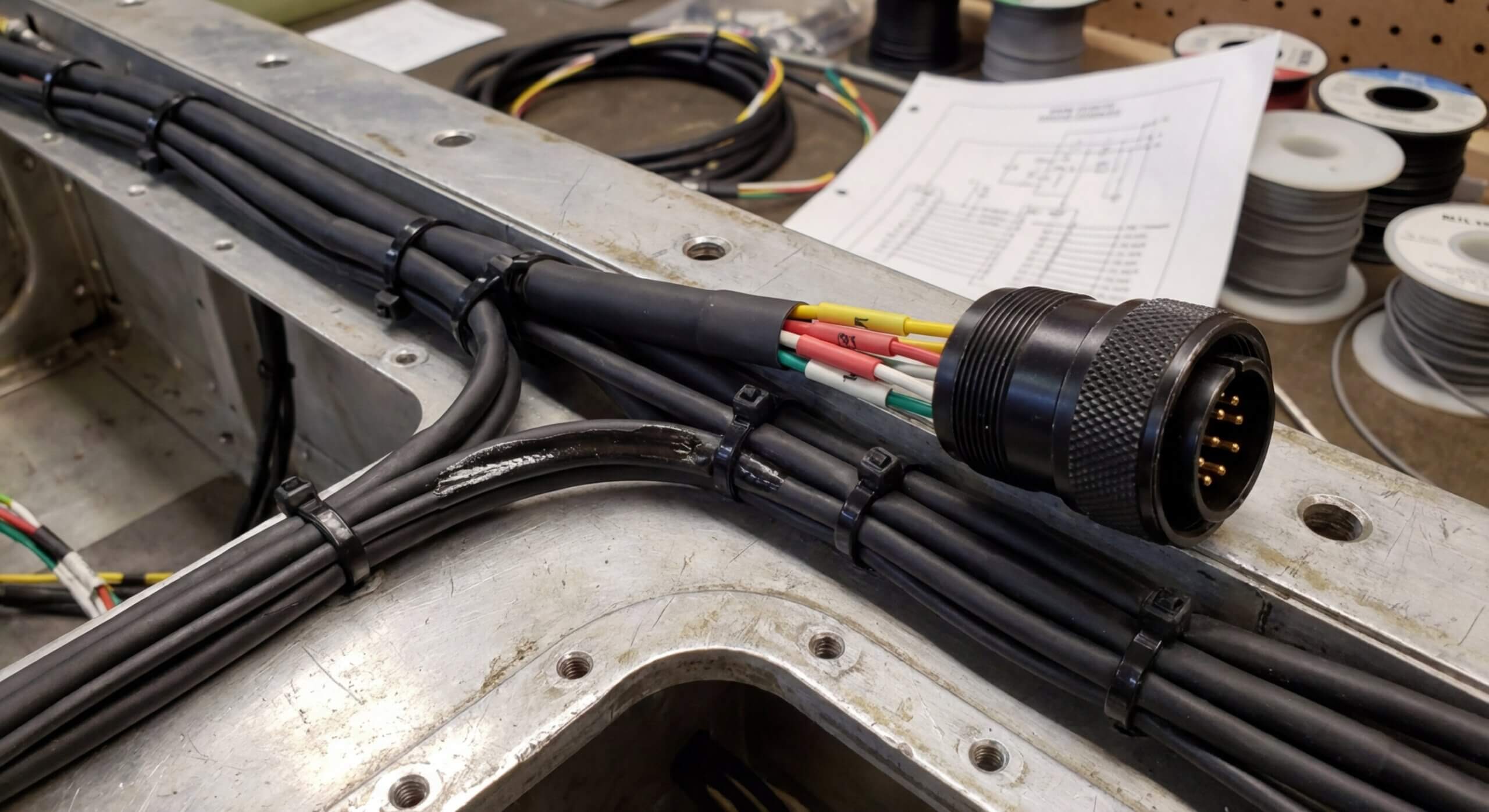
Да, но для задних крышек разъемов и ответвлений формованные термоусадочные трубки (прямые, 90°, Y-образные и т. д.) обеспечивают гораздо лучшее прилегание, чем прямые трубки. См.: Ассортимент термоусадочных сапог
Какова минимальная температура, при которой происходит усадка полиолефиновых трубок?
Большинство термоусадочных трубок из полиолефина начинают сжиматься примерно при 70–90 °C. Полное сжатие и восстановление формы обычно достигаются при 120–135 °C. Для большинства установок достаточно стандартного термофена, установленного на 150 °C.
Соответствует ли термоусадочная трубка требованиям RoHS?
Большинство современных термоусадочных трубок изготавливаются из бессвинцовых материалов, соответствующих требованиям RoHS. Всегда уточняйте технические характеристики изделия, если оно предназначено для европейского рынка.
Связанный: Обзор термоусадочных трубок | Руководство по материалам | Приложения
